Paths-The Journey Continues to Louisiana
Proverbs 3:7 "In all your ways acknowledge Him and He will direct your paths."
Dr. Milton A Lites
6/17/20264 min read
The Journey Continues: Mt. Zion
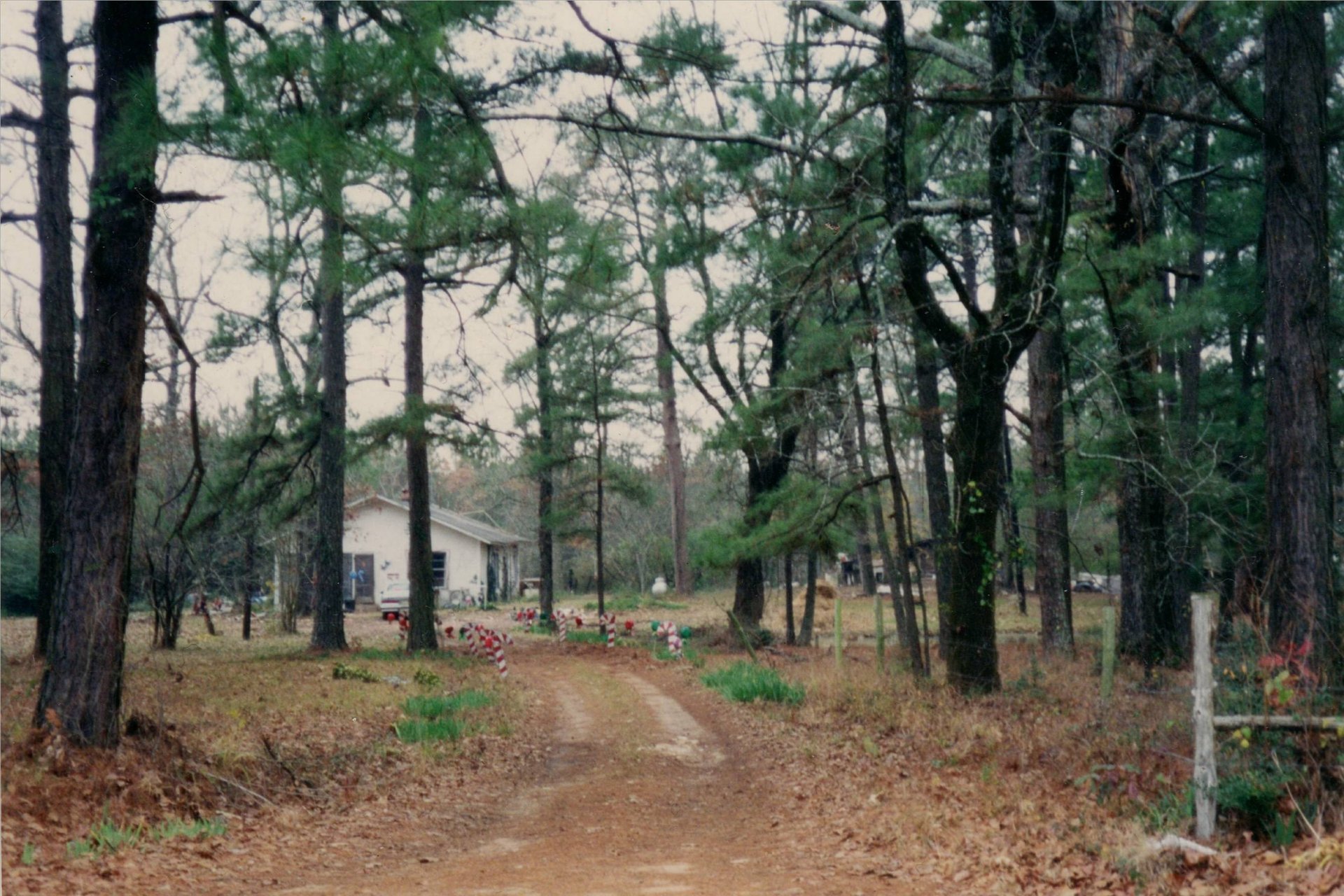
From the wilds of Arkansas, we returned to the old home place in Mt. Zion, ten miles from Many, Louisiana. My grandfather, Rev. T.J. Lites, had homesteaded nearly 300 acres in this neighborhood, parceling it among his children. My father received fourteen acres directly across from Rev. and Mrs. Lites, land that had been rented during our absence. When we arrived, my father and brother made repairs and improvements: a well was dug near the back of the house, a fence erected, and a barn built mostly of logs where we kept our cattle and hogs.
The landscape itself held history. A lumber company had carved a narrow-gauge railway through the woods behind our property, carrying logs toward Many until the operation ceased and the tracks were lifted. What remained were three ponds that had supplied water for the tram, and these became the setting for our childhood. We spent countless hours fishing for crawdads with bacon rinds, the simple joy of it unmarred by any ambition except the next catch. The railway's cleared path, free of trees and brush, became our road for bicycles and horseback rides, a gift the land had left behind.
Grandmother's Gift
My grandfather had already passed by then, and my grandmother spent much of her time alone unless my aunts came to stay. I became her regular companion, drawn to the stories she shared about her family in Oklahoma, the letters detailing the cost of eggs and butter, the distant lives of relatives I would never meet. There's something sacred about sitting with the elderly as they remember; you inherit their history without realizing it. My mother often had to call me home for supper.
I believe this is where my love of history began, in those afternoons listening to her voice carry the past into the present.
My grandfather had left a small library on a shelf in the back bedroom. I was drawn to those books like a pilgrim to a shrine. One volume described the Galveston flood with images so vivid and terrible they frightened me. When I mentioned it to Grandma Lites, she gently cautioned me to wait until I was older. I didn't tell her I'd already looked through it several times. A year or two later, without my asking, she told me the time had come to read it properly. I still marvel at this, that she had remembered my interest all that time and known when my heart would be ready. There were trunks in the front bedroom too, each one holding secrets I would explore-but that is a story for another time.
The Blessing of Abundance
Living in the country was a blessing in ways the world would never measure. There were ponds to fish, forests alive with game, and endless spaces to roam. Cousins lived nearby, and others came visiting, so there was never a shortage of playmates. My two favorites were Terry and Doug. Terry's parents were educators who moved between small towns, which gave me the chance to travel with them, to see different parts of the country. One assignment took them to Noble, Louisiana, and because the railroad ran through there, I was allowed to ride the train by myself-a journey of only fifteen or twenty minutes, but it felt like the beginning of the whole wide world.
Our community was small and tightly woven with kinship. Most of us attended Mt. Zion Baptist Church, the church my grandfather had helped to establish. Beyond its services, we gathered as families for fishing trips, for hog-killings that were neighborhood events, for games like "Coffeepot" where we guessed at hidden meanings through questions and laughter.
By the world's standards, we were probably poor. But we never knew it. Our hens produced eggs, our cows produced milk that we churned into butter, our gardens yielded vegetables we ate fresh and canned for winter. On hog-killing days, every family went home with meat. Neighbors smoked their own bacon, ground their own sausage. In the late afternoon, mothers made tamales, and children who had played all day gathered for a feast. Some made yeast rolls from dough kept in the icebox, carefully reserving a portion for the next batch-a practice that taught us the rhythm of provision.
Ice came by truck, delivered regularly by Mr. Kelly, keeping our perishables cold until the era of electric refrigerators arrived. On Sundays, we made ice cream with a hand-cranked maker, someone driving to town for a block of ice at the depot. After fried chicken and gravy, we took turns at the crank until it grew hard to turn, knowing we were near something delicious. Then, with full bellies and the feast behind us, our family gathered in the living room around the piano to sing hymns and familiar songs in harmony, voices blending the way voices do when they've practiced grace. Later we moved to the radio to hear The Hit Parade, the world's latest melodies reaching us in our small corner of Louisiana.
The Foundation
Much of our time and attention belonged to Mt. Zion Baptist Church. My grandfather, Rev. T.J. Lites, had secured the land from Louisiana Long Leaf Lumber Company for both the church and cemetery. He had been instrumental in founding it, in seeing it built. It became my second home. I participated in everything-Cradle Roll, Royal Ambassadors, worship services. It was there, in that sacred space, that I first learned to love music, to sing hymns and gospel songs with my whole heart. Those melodies would become the language of my faith, shaping the rest of my life's journey.
Although I didn't understand it then, I was beginning to see it: God was at work in my life. Not in grand gestures or dramatic moments, but in the steady presence of family, in the land beneath my feet, in my grandmother's patience, in hymns sung in harmony, in the simple abundance of a life rooted in faith and community. This was the soil in which everything that would come later would grow.